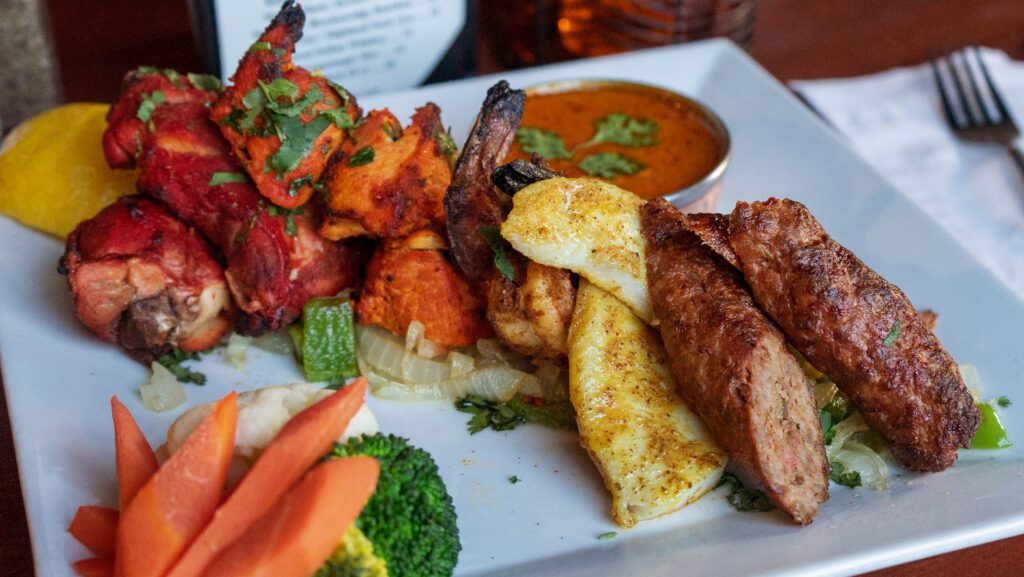
If you’re managing diabetes, you’ve probably wondered: is Indian food good for diabetics? The short answer: absolutely — if you know what to order. Indian cuisine is actually one of the most diabetic-friendly cuisines in the world, built on lentils, vegetables, lean tandoori proteins, and spices like turmeric and fenugreek that have been studied for their effects on blood sugar.
The trick is knowing which dishes work for you and which to enjoy in moderation. As a family-run Indian restaurant serving the Denver area for over 15 years, we help guests with dietary needs order confidently every single day. Here’s exactly what we tell them.
(Quick note: everyone’s different — this is general guidance, not medical advice. Check with your doctor or dietitian about your specific needs.)
Key Takeaways
- Yes — diabetics can enjoy Indian food. Choose grilled tandoori dishes, dal, and vegetable curries.
- Best picks: tandoori chicken, chicken tikka, tarka dal, saag paneer, raita.
- Limit: fried snacks, white rice, naan, and sugary desserts.
- Smartest swap: whole wheat roti instead of naan.
The Best Diabetic-Friendly Indian Food (Order These First)
1. Tandoori — Grilled in the Clay Oven, Not Fried
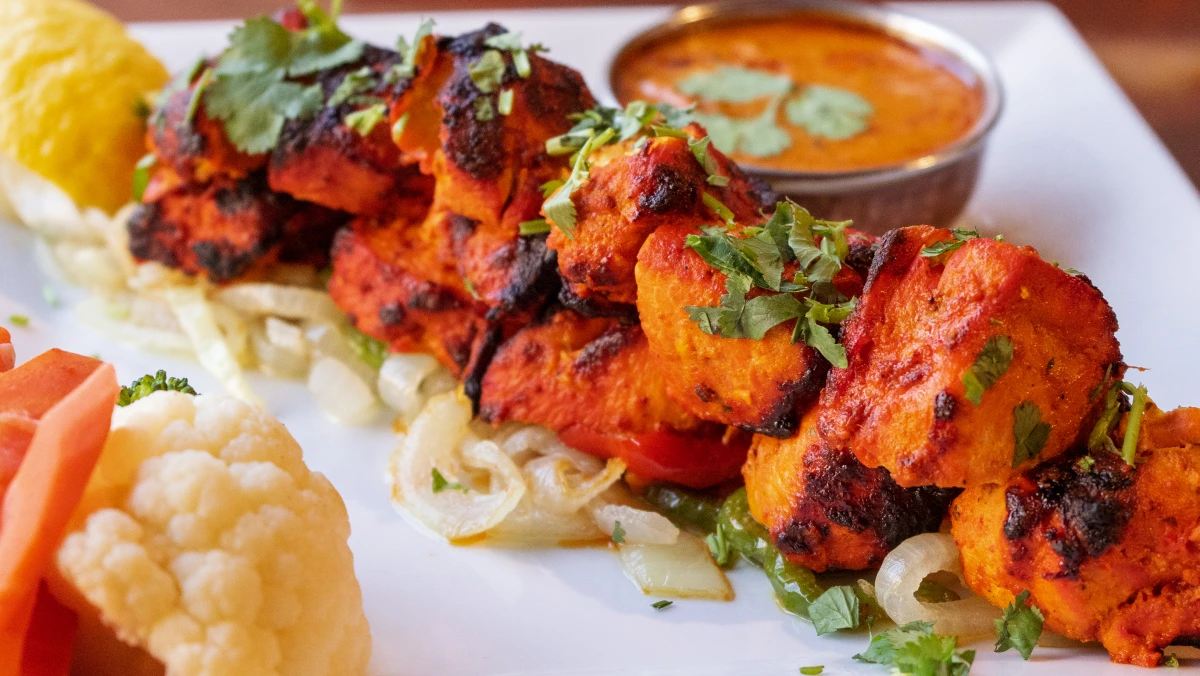
Anything from the tandoor is a diabetic’s best friend: chicken, fish, or shrimp marinated in yogurt and spices, then grilled at high heat in a clay oven. No heavy sauces, no frying, high protein — protein slows glucose absorption and keeps you full.
Order this: Tandoori chicken, chicken tikka, tandoori fish, or the mixed grill. See our tandoori specialties.
2. Dal — Lentils Are a Blood Sugar Ally
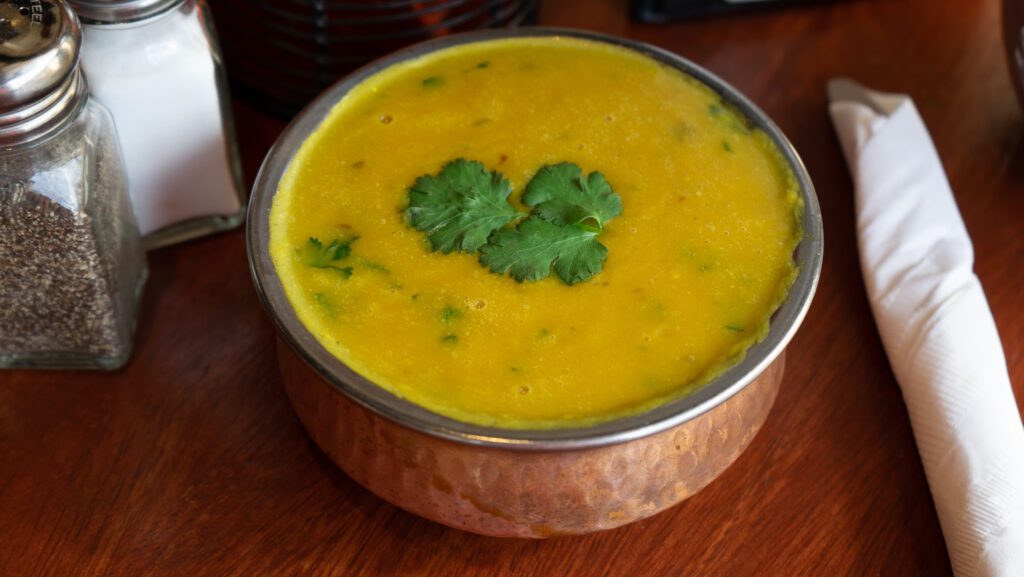
Dal (lentil curry) is rich in fiber and plant protein, both of which slow the rise of blood sugar after a meal. Lentils have a low glycemic index, and studies consistently rank legumes among the best carbohydrate sources for people with diabetes.
Order this: Tarka dal or dal soup. Browse our vegetarian entrees.
3. Vegetable Curries — Fiber and Flavor
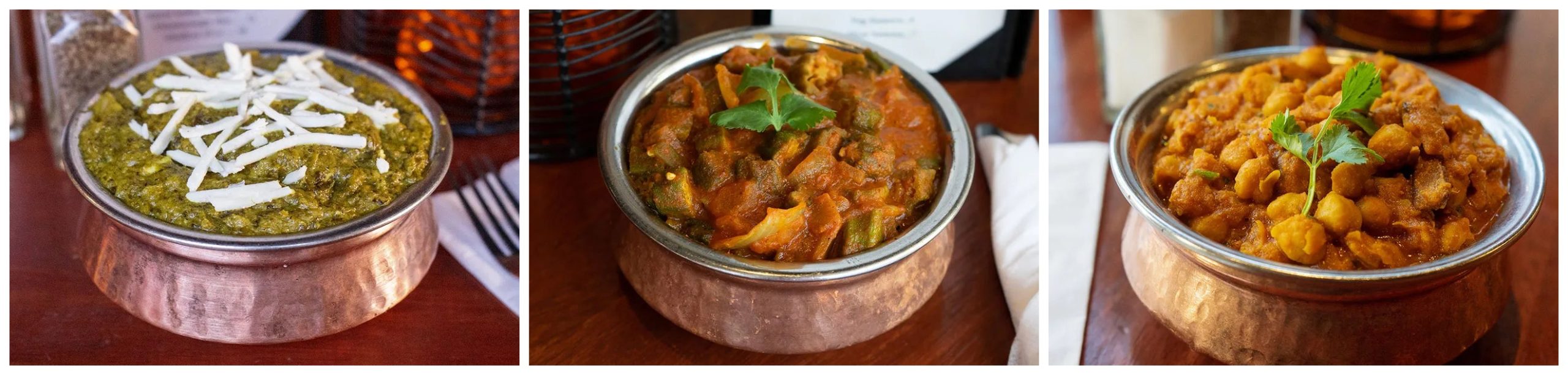
Saag paneer (spinach), bhindi masala (okra), and channa masala (chickpeas) deliver vegetables and fiber in deeply satisfying form. Chickpeas in particular are a slow-digesting carb that won’t spike you the way white rice can.
4. Raita and Salad — The Cooling Sides
Raita (yogurt with cucumber and spices) and fresh onion salad add volume, probiotics, and crunch with minimal carbs. Starting your meal with these can blunt the glucose impact of what follows.
Smart Swaps for Diabetics at an Indian Restaurant
| Instead of… | Order… | Why |
|---|---|---|
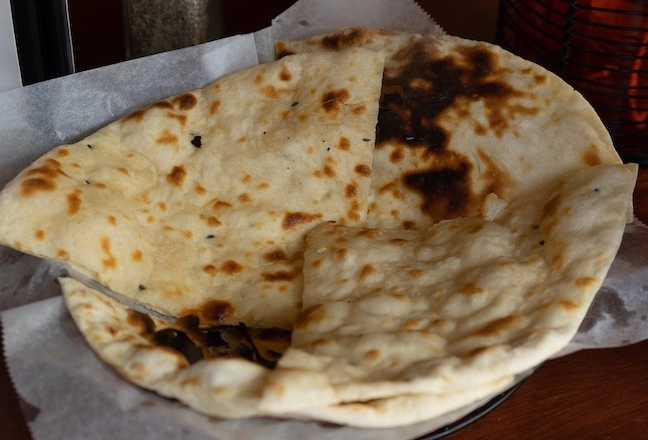
| Naan (refined flour) | Whole wheat roti | More fiber, lower glycemic load |
| A mountain of white rice | Half portion, or extra dal/veggies | Rice is the biggest carb load on the table |
| Creamy kormas & butter sauces | Tandoori or tomato-based curries | Less cream, less hidden sugar |
| Fried appetizers (samosa, pakora) | Tandoori wings or chicken tikka | Grilled protein instead of fried starch |
| Gulab jamun to finish | Masala chai (no sugar) | A warm finish without the sugar syrup |
See all our oven-hot breads, including whole wheat roti.
Why Indian Spices May Actually Help
Indian cooking leans on spices that researchers have studied for metabolic effects: fenugreek (methi) seeds have shown promise for blood sugar control, turmeric’s curcumin is being studied for insulin sensitivity, and cinnamon appears in several small studies on glucose levels.
None of these replace your medication — but it means the flavor base of Indian food is working with you, not against you.
How We Help Diabetic Guests at Little India
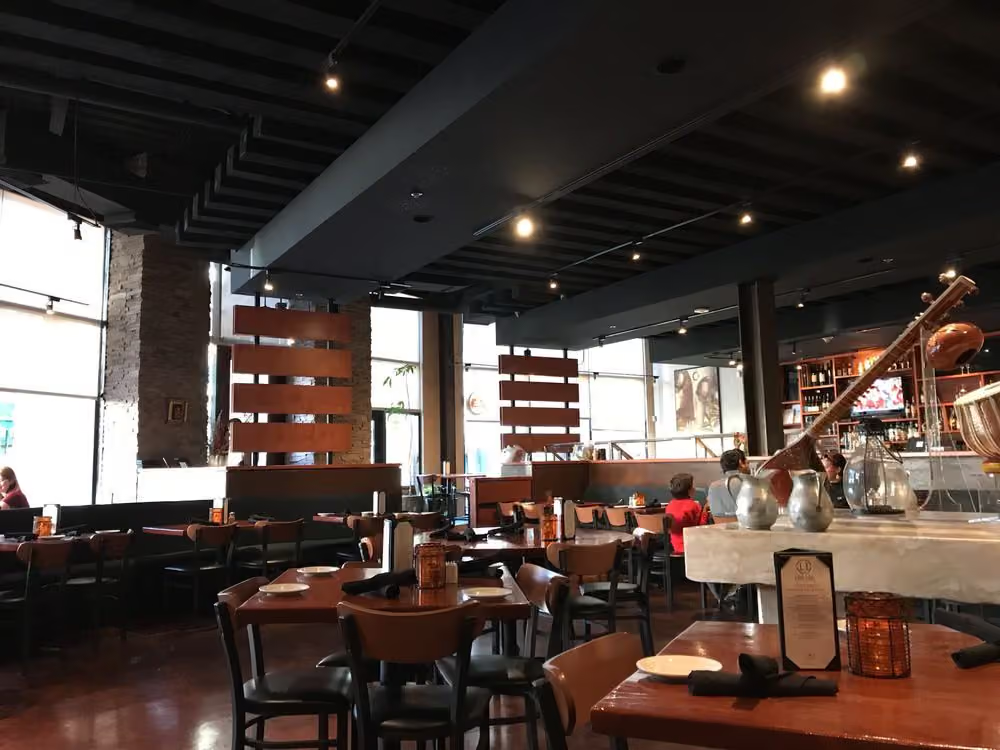
At Little India Restaurant and Bar in Lakewood (Belmar), we’ve been Denver’s go-to for Indian food for more than 15 years — and helping guests order around dietary needs is part of the job we love.
- Tell your server you’re watching your blood sugar — we’ll point you to the best picks
- Every curry can be made with less cream or oil on request
- Whole wheat roti is always available fresh from the tandoor
- Our lunch buffet lets you build the exact plate your body needs: dal, salad, tandoori chicken, vegetables — you control the portions
Visit us: 425 South Teller Street, Lakewood, CO 80226 · Open daily 11:00 AM – 9:30 PM · (303) 937-9777 · Book a table at Little India
Frequently Asked Questions
Is Indian food good for diabetics?
Yes — many Indian dishes are naturally diabetic-friendly. Tandoori grilled meats, dal (lentils), vegetable curries, and raita are high in protein and fiber with a low glycemic load. The dishes to limit are fried snacks, white rice, sugary desserts, and heavy cream sauces.
What Indian food should diabetics avoid?
Go easy on deep-fried items (samosas, pakoras), large portions of white rice, naan made from refined flour, sweet desserts like gulab jamun, and very creamy sauces. You don’t have to avoid them forever — just treat them as occasional, small portions.
Is roti or naan better for diabetics?
Whole wheat roti is the better choice. It’s made from whole grain flour with more fiber, which slows sugar absorption. Naan is typically made from refined white flour.
Is dal good for diabetics?
Yes. Lentils are high in fiber and plant protein and have a low glycemic index, making dal one of the best Indian dishes for blood sugar management.
Can diabetics eat at an Indian restaurant buffet?
Yes — a buffet can actually be ideal because you control portions. Fill most of your plate with dal, vegetables, salad, raita, and tandoori items; keep rice and bread portions small.
The Bottom Line
Indian food isn’t off-limits for diabetics — it’s one of the best cuisines for eating well with diabetes, as long as you order with intention. Grilled over fried, lentils and vegetables over refined carbs, roti over naan.
Hungry for diabetic-friendly Indian food in the Denver area? Come see us at Little India in Lakewood — tell us what you need, and we’ll take care of the rest. Book a table →